
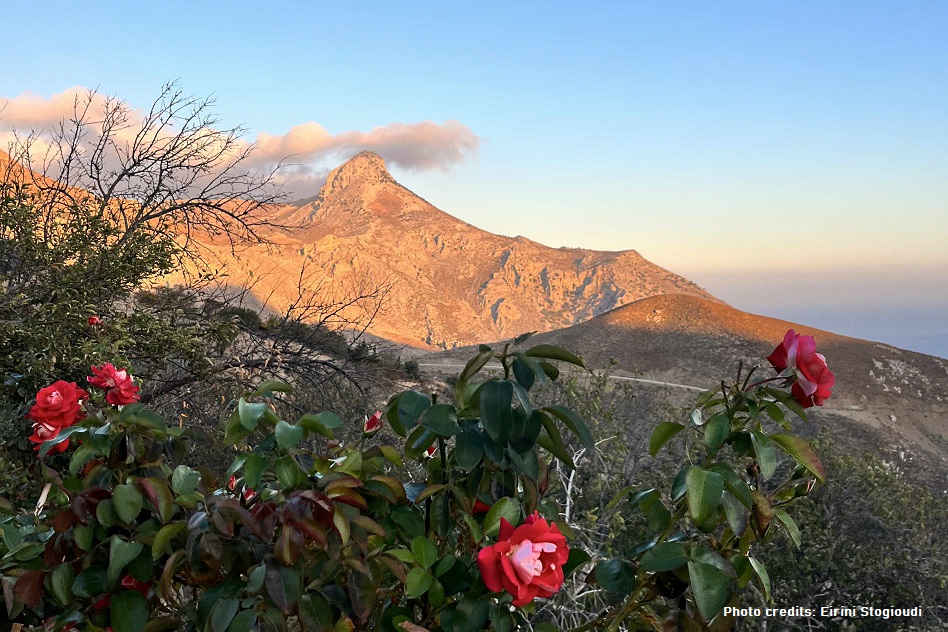
Following the successful Summer Universities organized jointly by MIO-ECSDE and the UNESCO Regional Bureau for Science and Culture in Europe for a number of years, and since the designation of the Asterousia BR, also the Region of Crete (Heraklion Development Agency) and the Local Management Committee of Asterousia, this year the event will take place once again in Asterousia and focuses on the theme “Integrated Natural and Cultural Heritage-based approaches for Biosphere Reserves and other Designated Sites in the Mediterranean“.
The Asterousia Hybrid University is split n two phases, with:
- Phase A taking place face-to-face for up to 25 international and local participants, in Asterousia BR, between 28 October (arrivals), and 1st November 2025 (departures).
- Phase B taking place online, in January – February 2026.
It is mandatory for that are selected to participate in Phase A, to follow also Phase B.
Phase A is supported by:
PHASE A
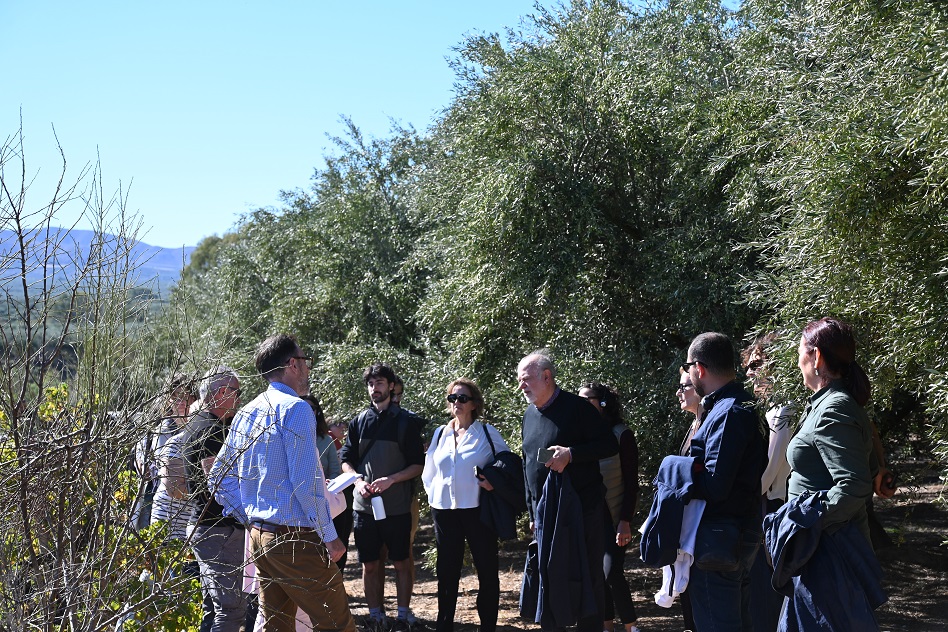
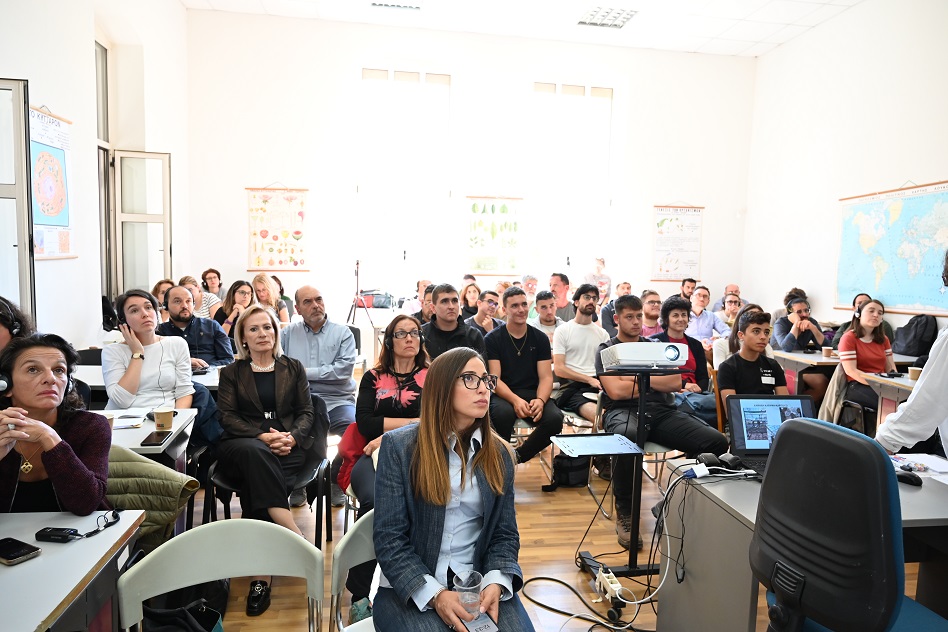
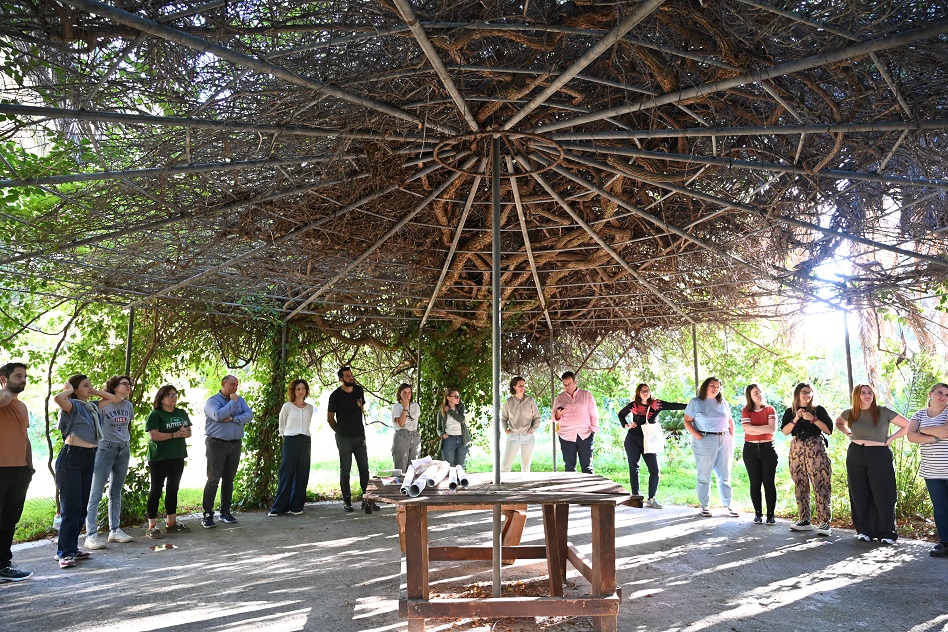
Phase A was designed as a three-day intensive training with many field visits to the Asterousia Biosphere Reserve, lectures and workshops with a variety of content:
- Day 1 (Old School of Kapetaniana): Emphasis was placed on the MAB/UNESCO program, Integrated Management, Sustainable Development, local Development, as well as the Linking of Natural and Cultural Heritage.
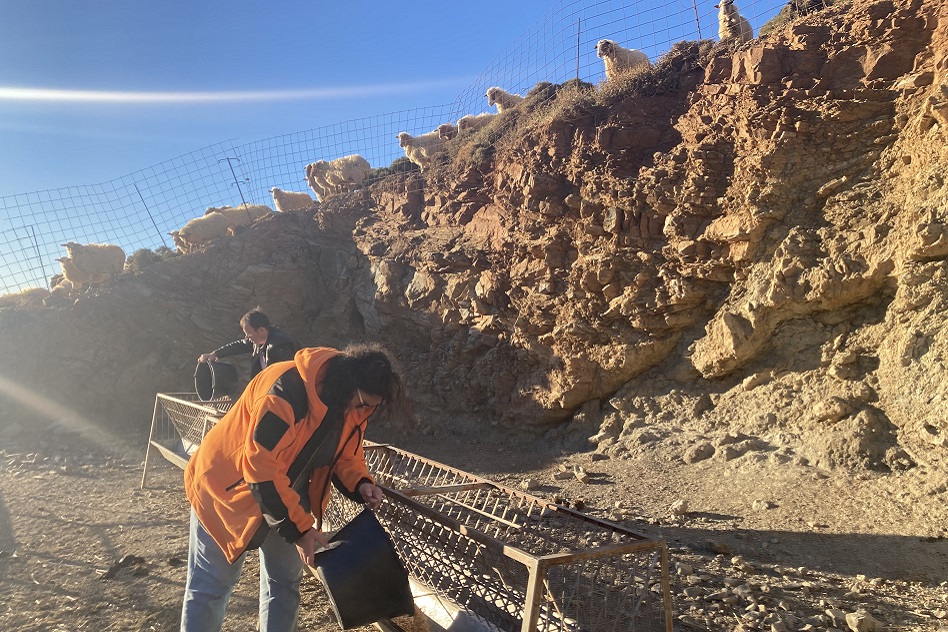
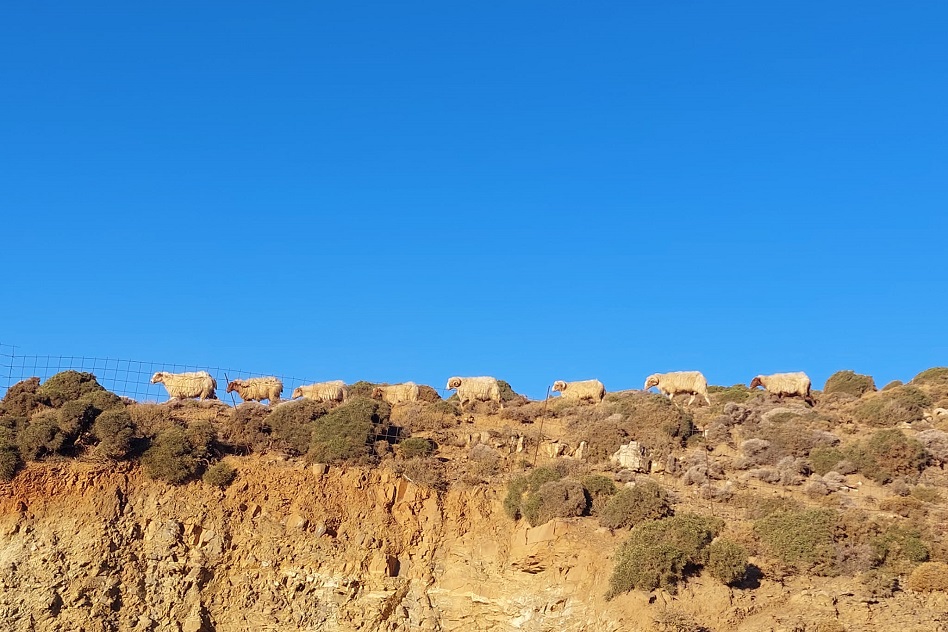
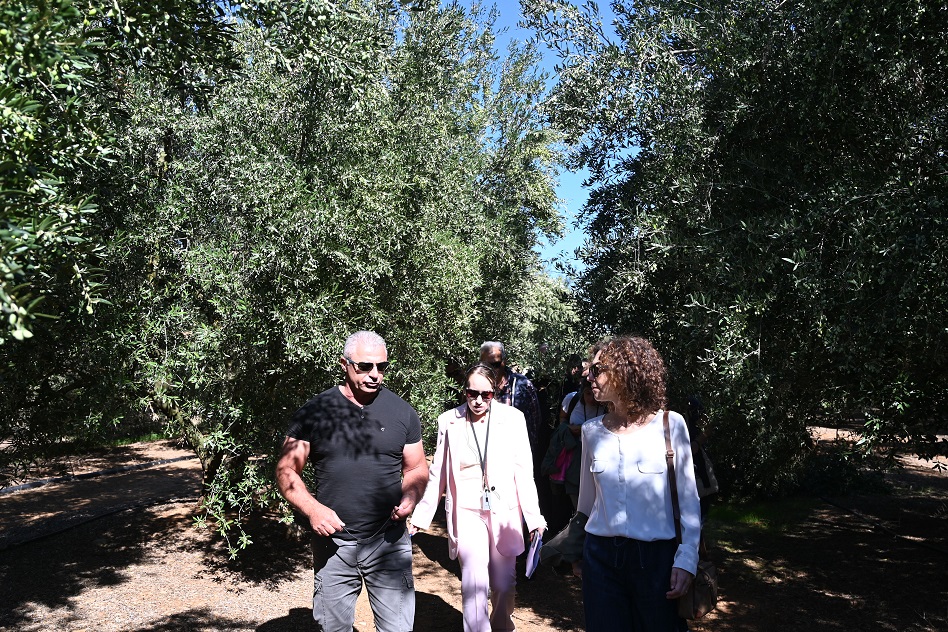
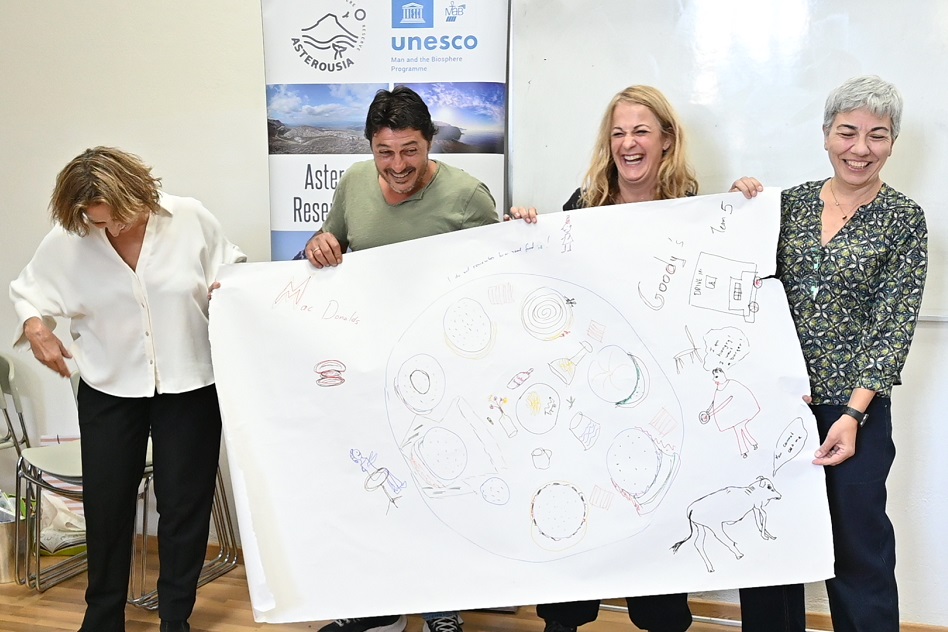
- Day 2 (Agricultural School of Messara): Emphasis was placed on Sustainable Agriculture & Livestock, Nutrition and Culture.
- Day 3 (Cultural Association of Charakas): Emphasis was placed on Education, Culture and Citizen Engagement.
PHASE A IN NUMBERS
participants
counties
organisations / stakeholders
presentations / lectures
Peer learning workshops
field visits
2025 Focus Theme
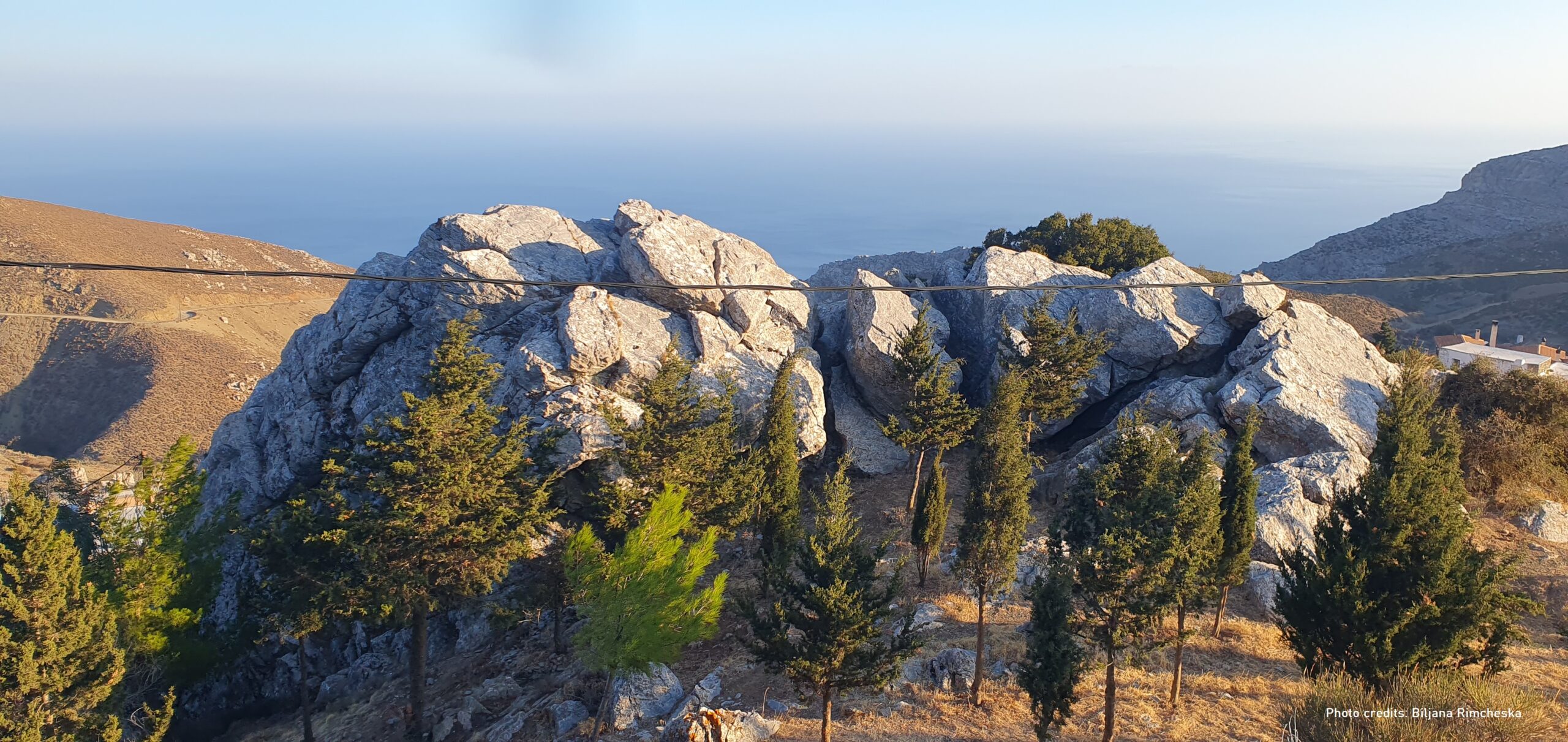
The main theme this year was the mutual support of Natural and Cultural Heritage in BRs, within the context of Sustainable Development. Specific sub-topics that were covered through the dedicated lectures, workshops and field-visits are:
- Good practices in BRs and other sites in protecting both natural and cultural heritage
- Traditional governance systems integrated with modern BR management approaches
- Freshwater management combining traditional harvesting techniques with modern non-conventional water resources
- Degraded Habitat Restoration e.g. reforestation, wetland restoration
- Circular economy in agriculture: the case of wool
- Intangible heritage documentation and transmission (traditional songs, stories, practices related to natural resources and landscapes)
- Community engagement through traditional knowledge holders, youth, and citizen science approaches, and ESD bridging past and present.
Stakeholders involved in the organisation
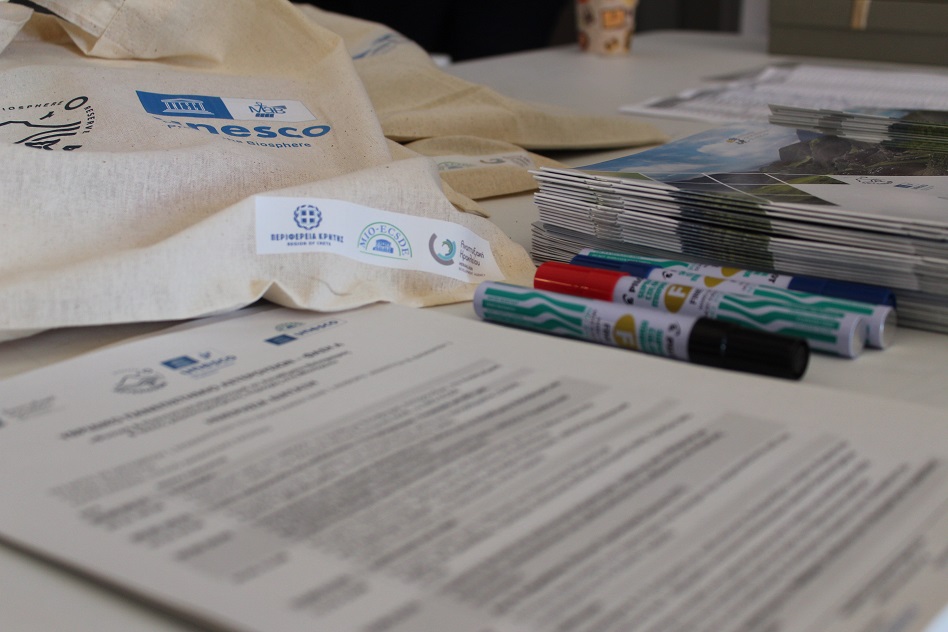
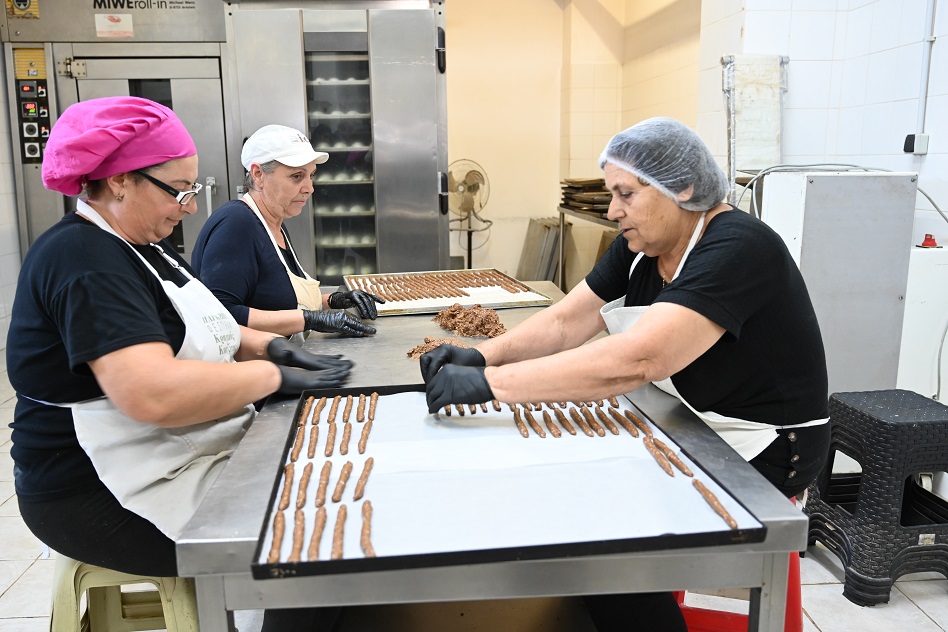
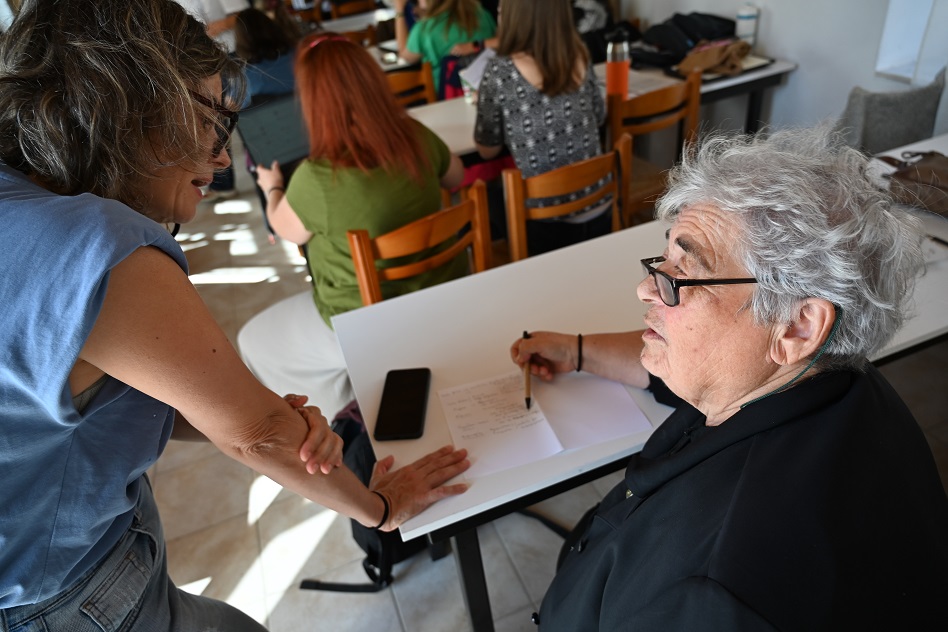
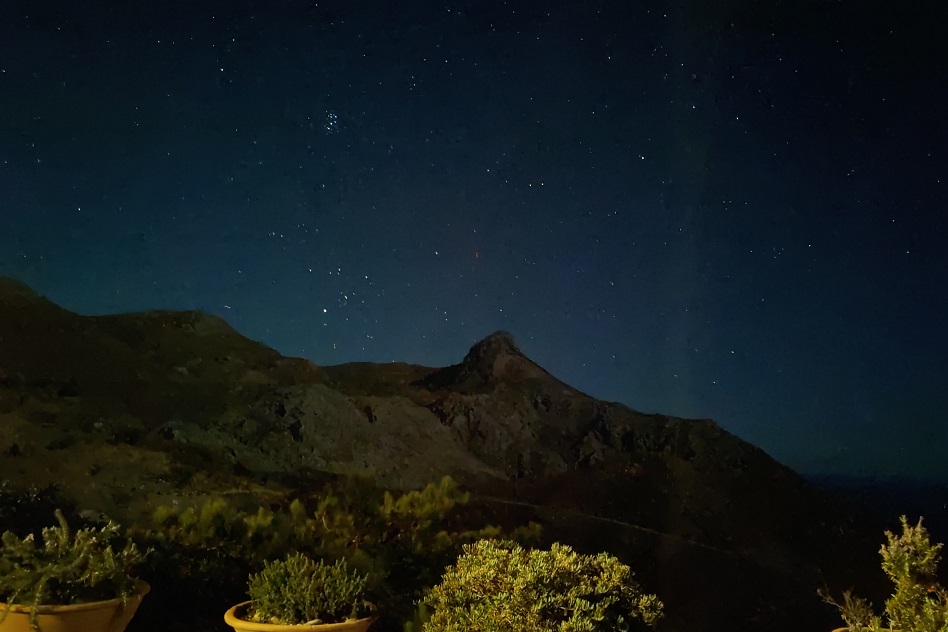
Photo Gallery
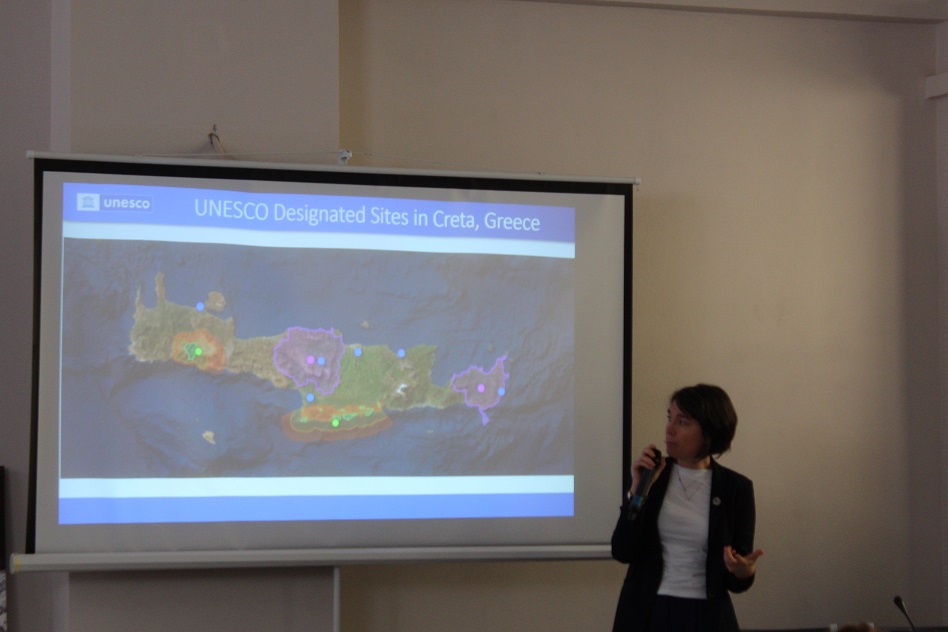
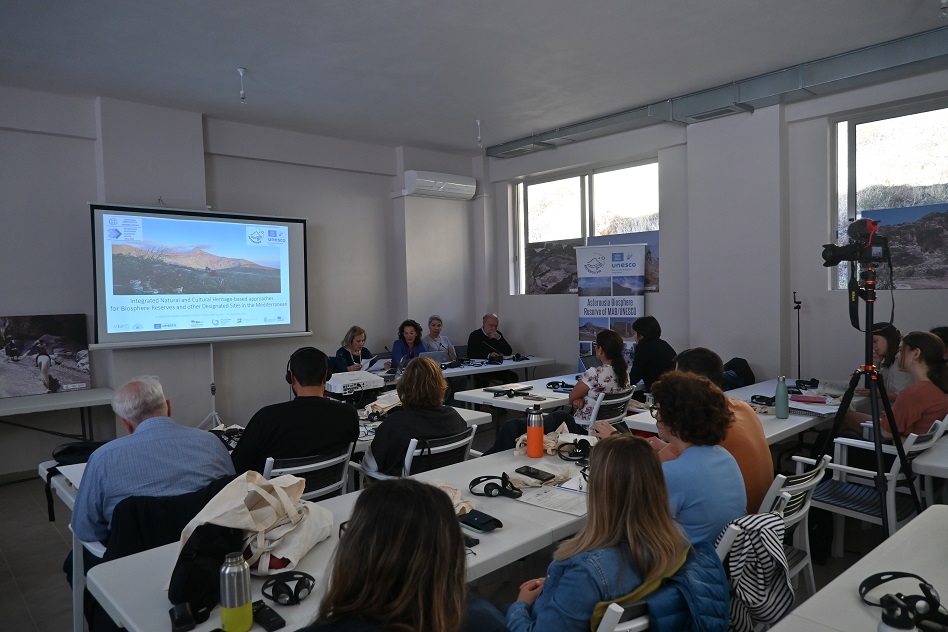
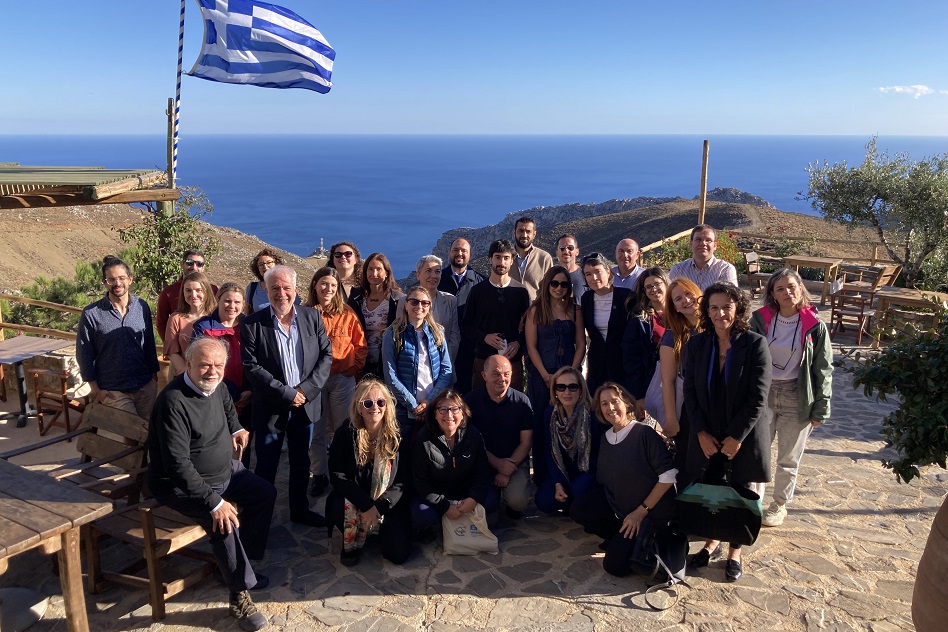
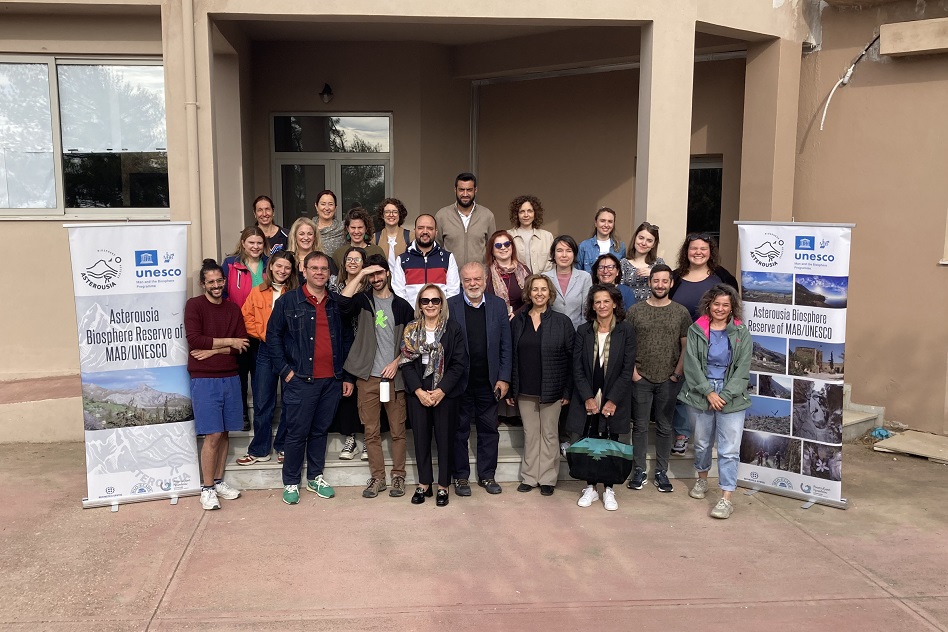
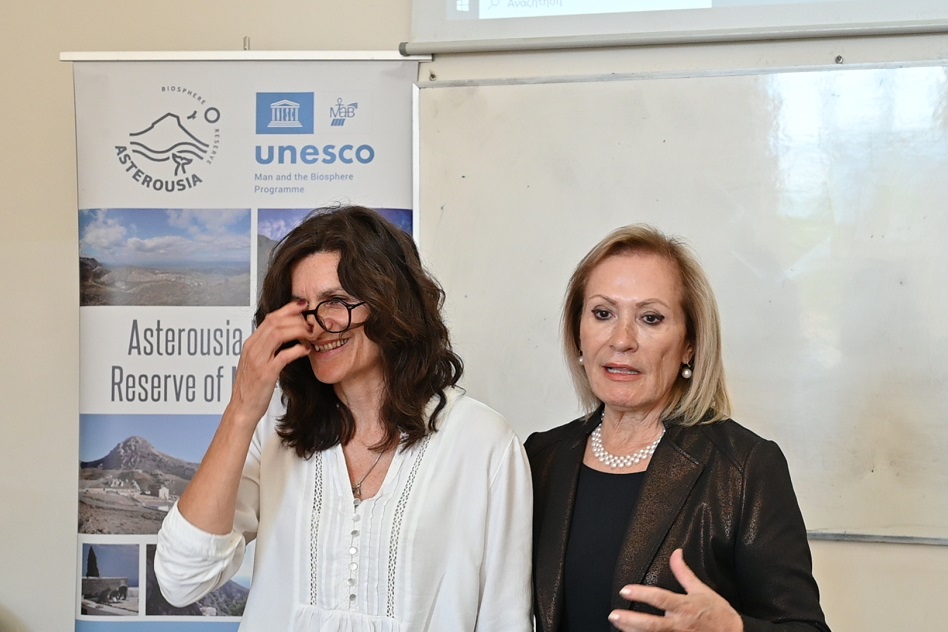
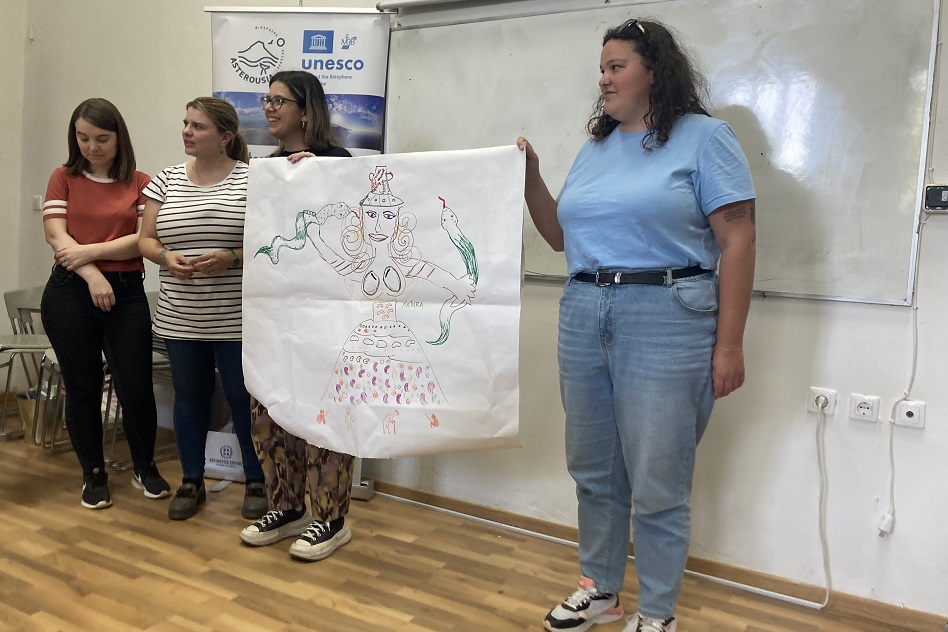
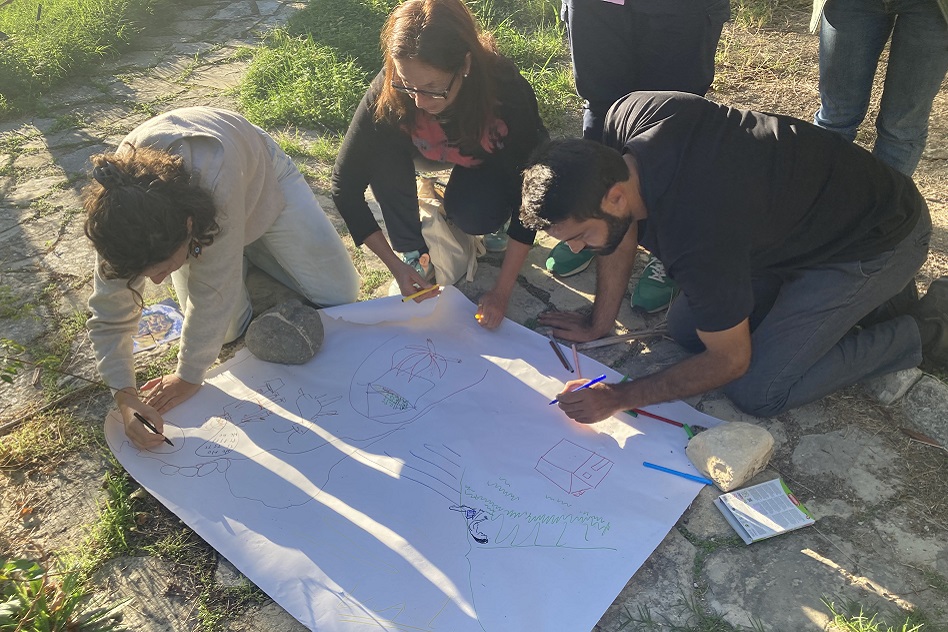
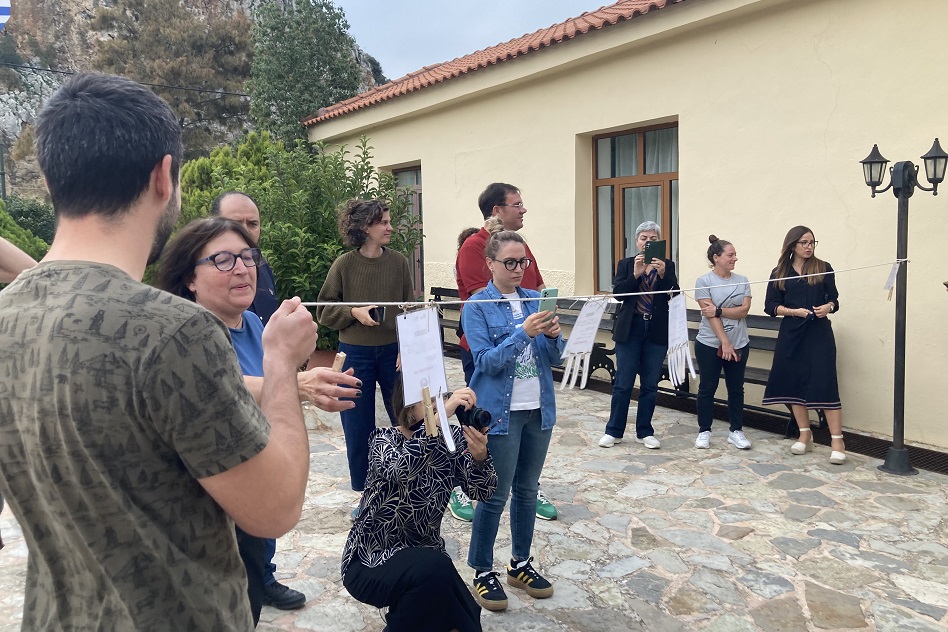



quotes from participants in the anonymous evaluation
Field visits were very usefull – they could have been more engaging if we could participate for instance in the Olive harvesting, or engage practically on the circularity of the grove (e.g., how to use leaves, or sheep wool as a composting material). I acknowledge that this to happen, would need the programme to be extended of course.
I’ve already shared my enthusiasm about your educational program with all my colleagues. It was an intense and inspiring experience, and I particularly appreciated the practical examples — they were outstanding and so relevant to my daily work.